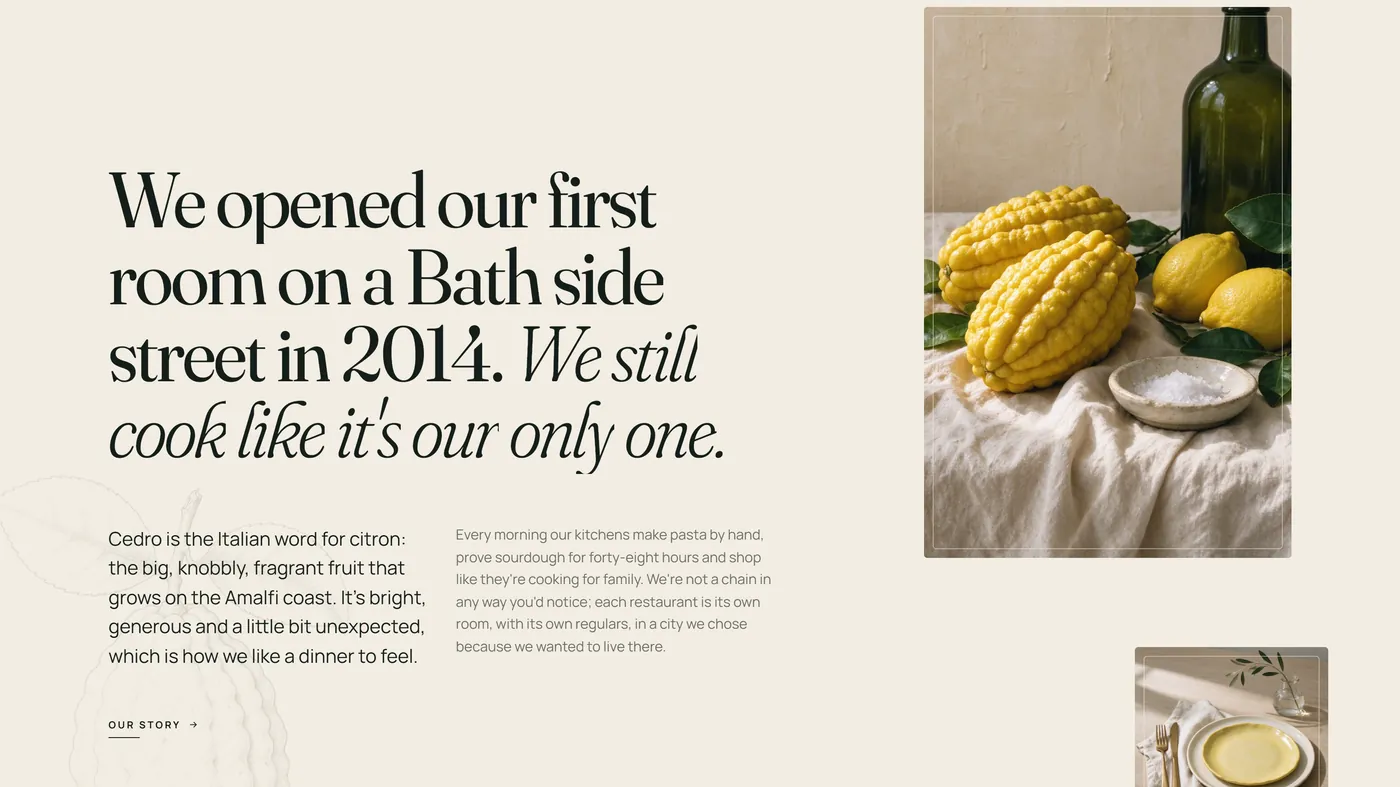
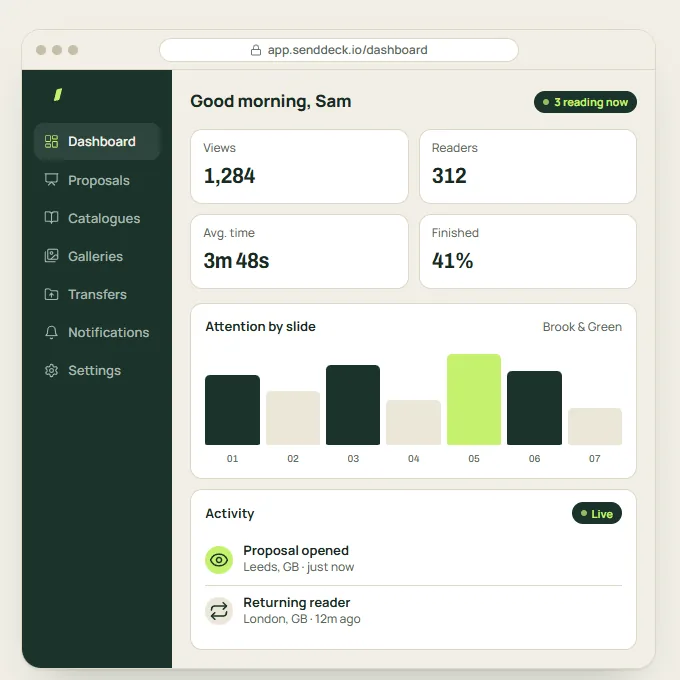
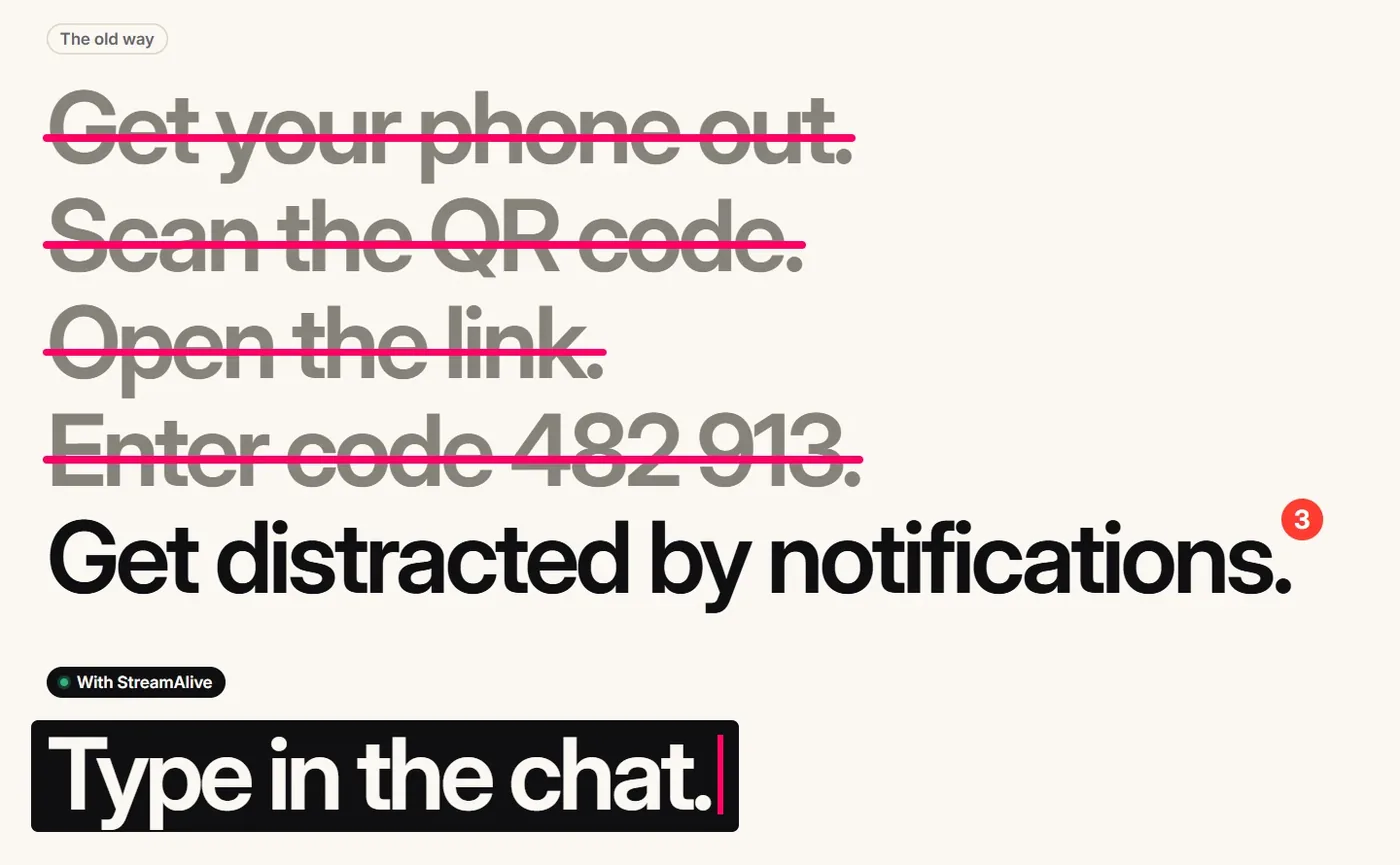
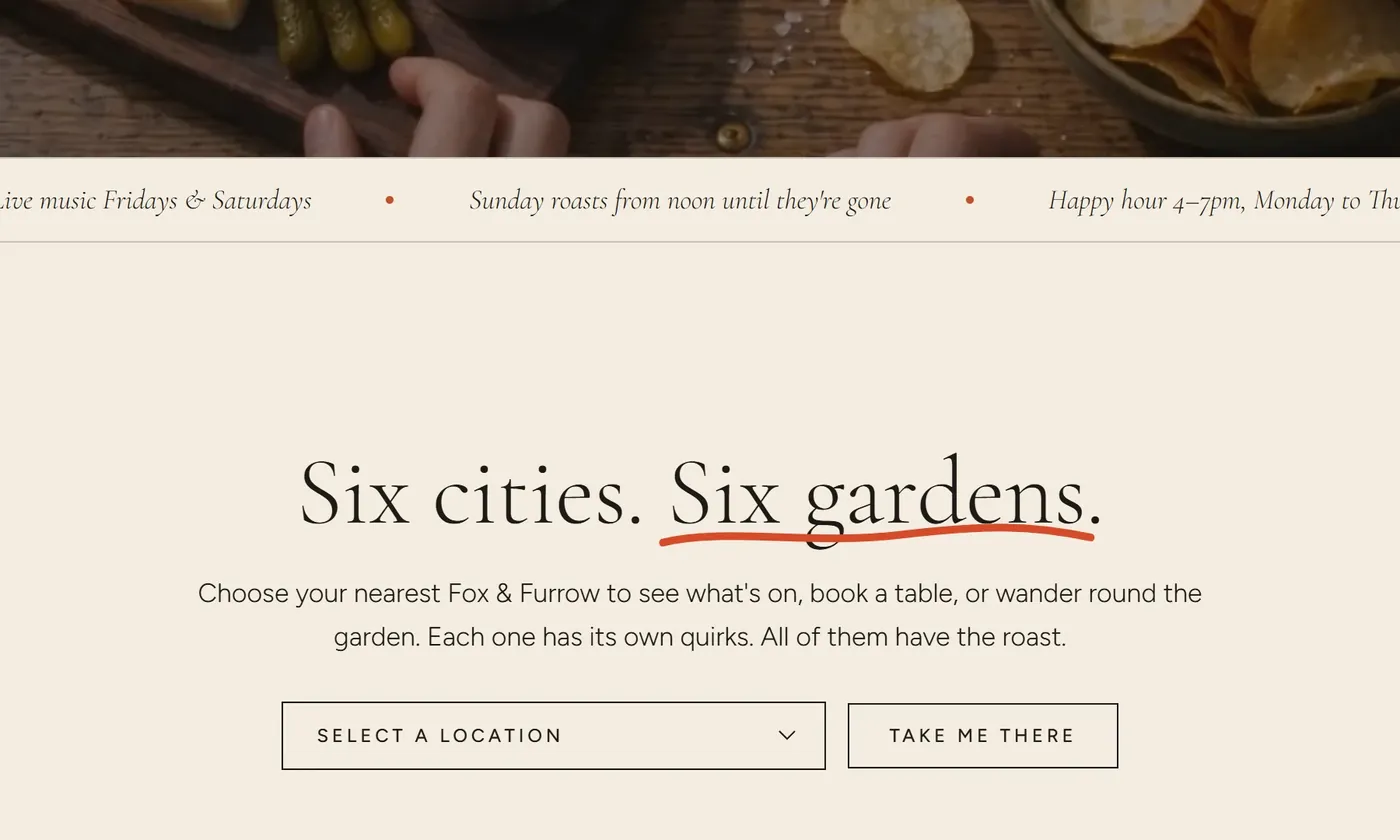
Cedro: editorial typeSendDeck: a dashboard built in codeStreamAlive: the old way, struck outFox & Furrow: six locations, one site
Built on WordPress or Webflow, and connected to the tools you use.
WordPress
Webflow
Search Console
Google Analytics
Brevo
HubSpot
Signs you’ve outgrown your website.
It no longer looks like the organisation you’ve become.
Your team can’t change a word without calling someone.
It falls apart on a phone.
Enquiries have dried up and nobody knows why.
You’d rather send a PDF than a link to your website.
AI assistants recommend your competitors, not you.
Two or more sound familiar? That’s usually the point where patching stops being worth it.
What every website project includes.
Whatever the size of the site, these come as standard.
A written specification
Pages, features, timeline and a fixed price, agreed before we start.
Sitemap and wireframes
The structure of every page, approved before any design.
Designs for desktop and mobile
Every page type designed properly, not just the homepage.
A design system
Type, colour and components that keep page 37 as good as the homepage.
A build your team can edit
WordPress or Webflow, or custom code where a product needs it.
Content moved across
Your existing pages migrated, checked and tidied on the way.
Search built in
Titles, structure, schema, and every old address redirected.
Accessibility and speed testing
Checked against accessibility guidelines and Google’s Core Web Vitals.
Training and launch support
Your team shown how to edit it, and us on hand after go-live.
How we design a website.
We start with what the site has to change for the business: who it’s for, what they need to find, and what you need them to do next. That becomes a sitemap and page plans you sign off before design begins.
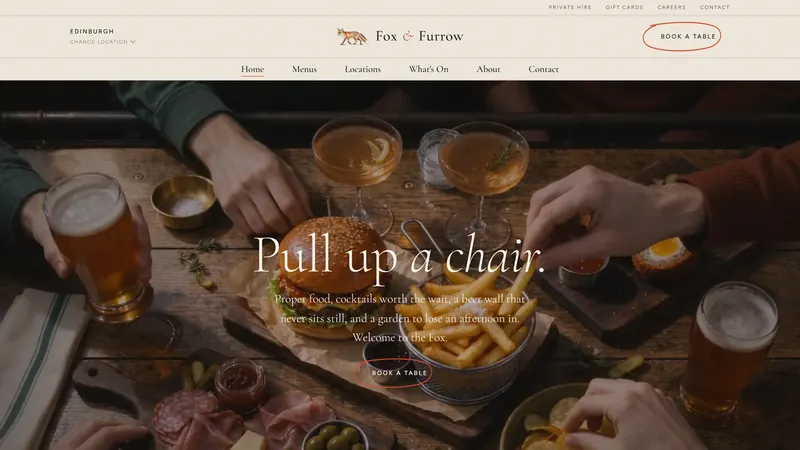
Fox & Furrow: six locations, one site, a page for each.
Art direction built around your organisation, then every page type designed for desktop and mobile. Motion only where it helps people understand something.
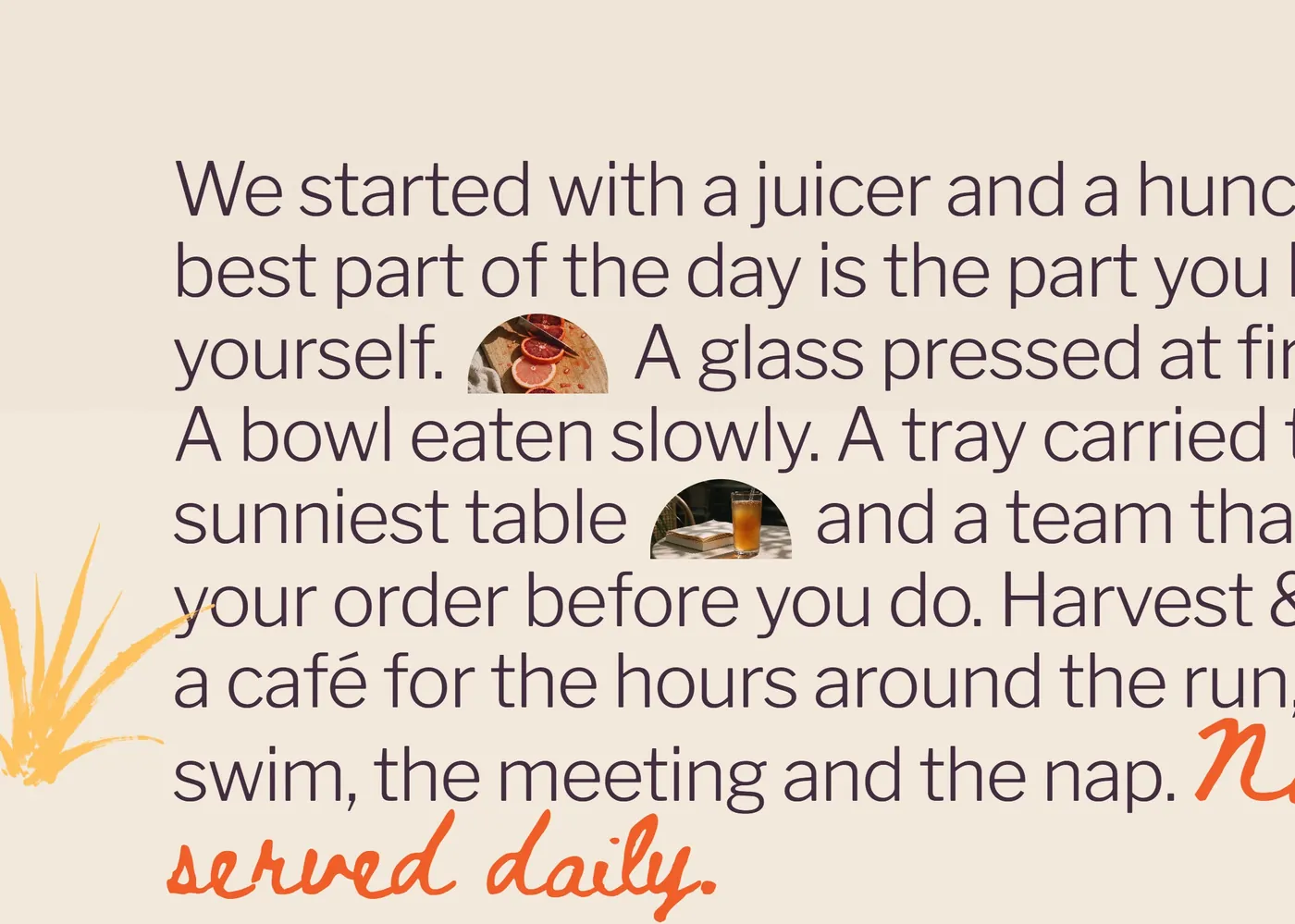
Harvest & Hive: type, photography and a hand-drawn script.
Good design can’t rescue unclear words. We work out what each page needs to say, and can write it with you.
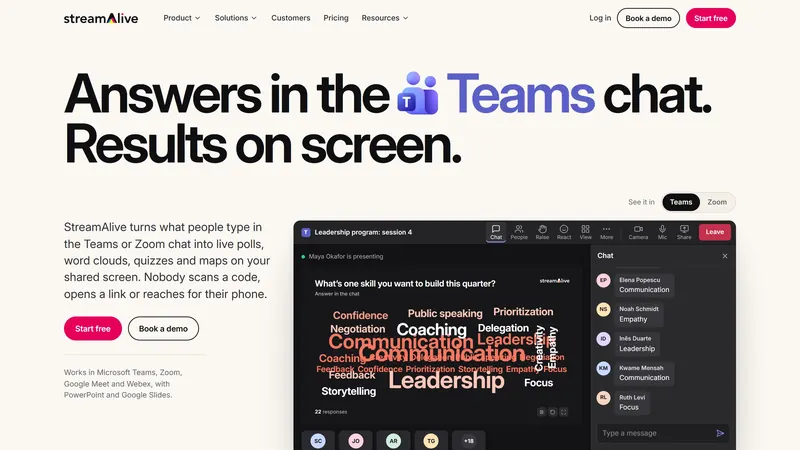
StreamAlive: the old way, struck out line by line.
Fast, accessible builds on WordPress or Webflow that your team can edit, with custom code where it earns its place.
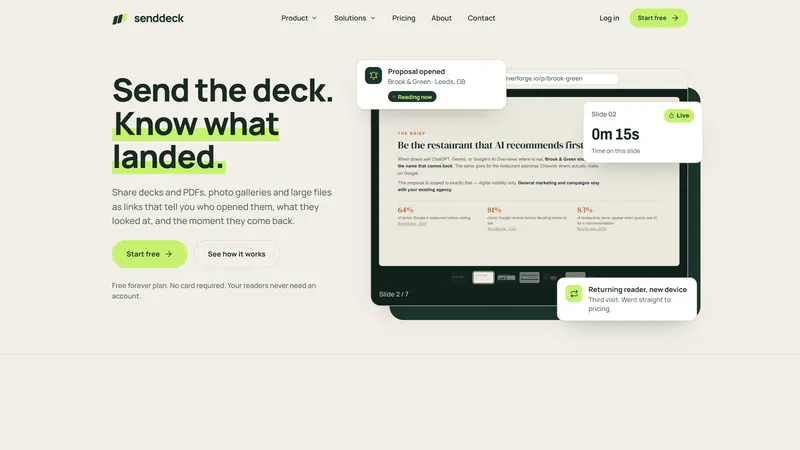
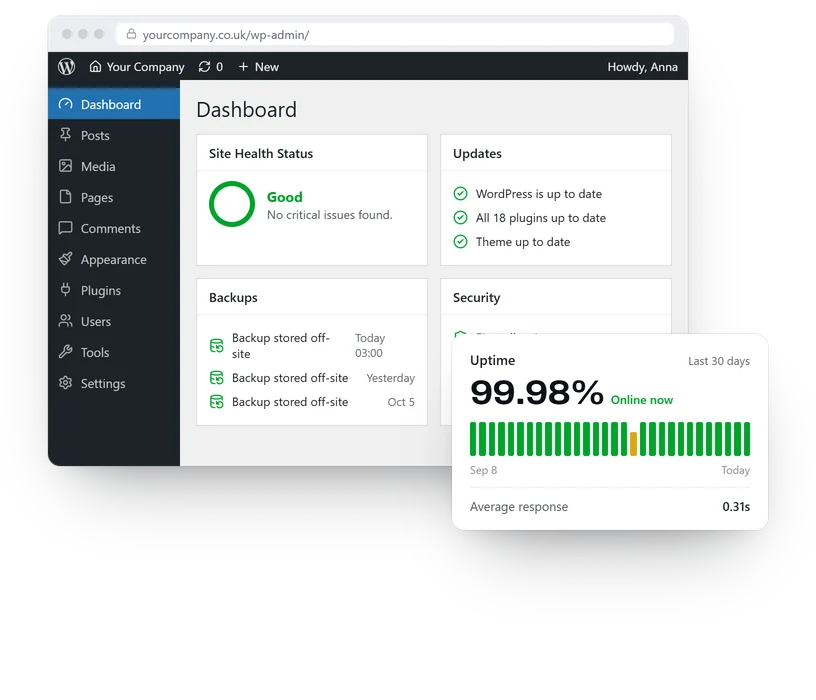
SendDeck: a live-looking dashboard, built in code.
Structure, schema and redirects from day one, so the new site is found by Google and recommended by AI assistants from launch.
20%Roughly how many visitors from ChatGPT and Gemini convert at StreamAlive, says its founder.
Recent website projects.
Software launches, a consultancy and restaurant groups. Each one looks like the organisation it’s for.
SavvyIQ Hospitality consultancy
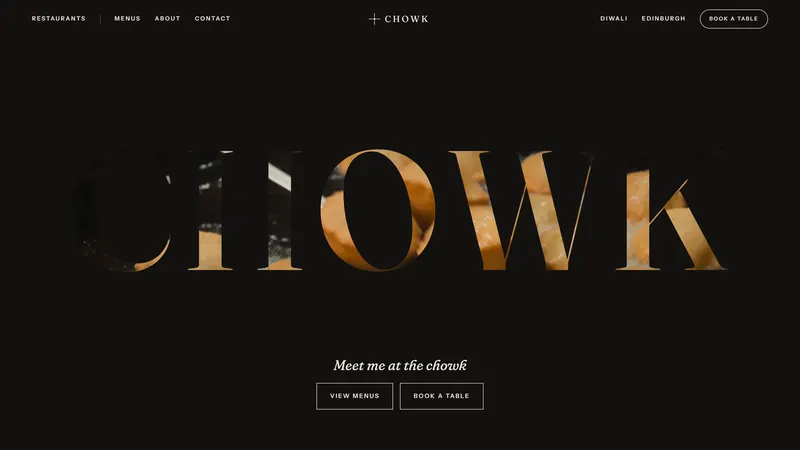
Chowk Restaurant group concept
StreamAlive Software
Harvest & Hive Café brand concept
SendDeck Software
Fox & Furrow Pub group concept
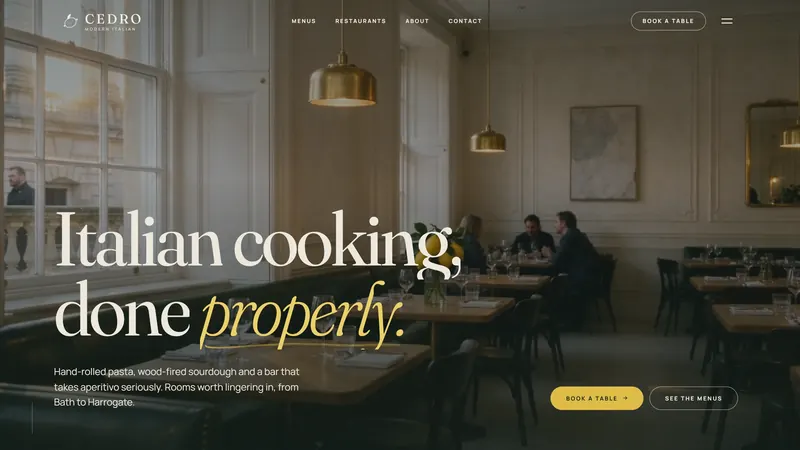
Cedro Restaurant group concept
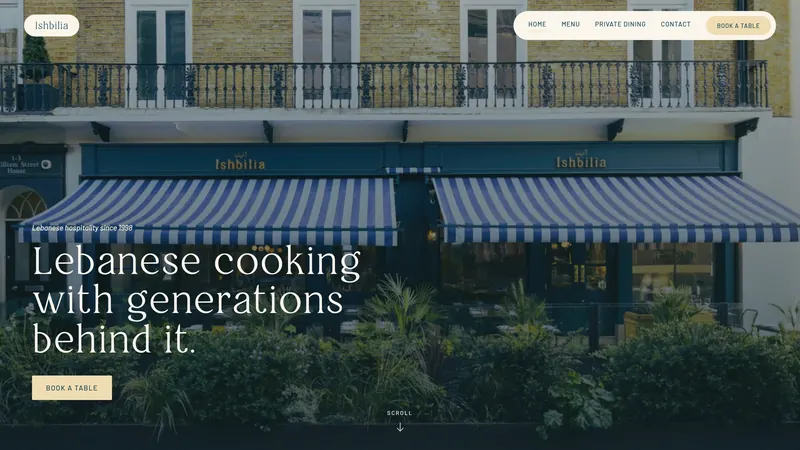
Ishbilia Restaurant concept
How a website project runs.
About ten weeks for a typical 20-page site, five to seven for a focused one and up to sixteen for a large one. Your specification confirms yours.
Week12345678910
Discovery
Structure
Design
Build
Launch
Week 1
Discovery Weeks 1 to 2
We learn the business, the audiences and what the site has to change.
You get a written specification with pages, timeline and a fixed price.
We need an hour with the people who know the business, and access to your current site and analytics.
Structure Weeks 2 to 3
Sitemap, page plans and the content each page needs.
You approve wireframes before any design starts.
We need your feedback on the sitemap within a few days.
Design Weeks 4 to 6
The homepage first, then every page type, with mobile designed properly.
You review real pages in your browser and tell us what to change.
We need one set of combined feedback for each round.
Build Weeks 6 to 9
Built on a private staging site, with your content loaded and checked.
You test everything and learn to edit it.
We need your final content, or sign-off on the content we’ve written.
Launch Week 10
Redirects, speed and search checks, then we go live.
You get launch support and the option of a care plan.
We need access to your domain and hosting.
What a website costs.
Every project is quoted at a fixed price from a written specification. Most websites fall into one of these ranges.
£5k to £8k
A focused site
For firms with a clear offer that need to look established and be easy to find.
Up to about 15 pages
4 to 6 page designs
Enquiry forms and Google search basics
A content system your team can edit
About 5 to 7 weeks
£8k to £12k
An established firm
For organisations with several services, sectors or locations to explain.
About 15 to 50 pages, plus news and case studies
6 to 10 page designs
One or two custom features, such as quote forms or location pages
Content moved across and old addresses redirected
About 7 to 10 weeks
£12k to £30k
A corporate site
For larger organisations with several divisions, libraries of projects or products, and more people signing off.
50 pages to a few hundred
10 to 15 page designs
Up to two custom tools, such as a finder, calculator or filtered library
Migration from another platform, with ranking pages protected
About 10 to 16 weeks
Sites with online ordering, live data feeds or hundreds of location pages are scoped separately. Care plans, search and ads are billed monthly. See prices for every service.
What moves the price
How many different page designs the site needs, more than how many pages.
Custom features, such as finders, calculators, filters or booking.
How much content moves across, and from which system.
How many pages already bring in search traffic and need protecting.
Connections to your CRM, ordering or other systems.
How many people need to review and sign off.
What clients say about working with us.
“They’re like an extension of our team and really got to know our business. We didn’t have huge budgets like other tech companies but they worked within that constraint to bring in quality traffic.”
Lux NarayanFounder, StreamAlive. Google review.
“You came in, quickly understood the problem, cut through the noise and focused on the things that would make the biggest difference. The results speak for themselves, but what I’ve really valued is how clearly he explains what needs doing and why.”
Most of our websites cost between £5,000 and £30,000. The number of page designs, custom features and how much content moves across make the difference. You get a fixed price from a written specification before anything starts.
How long does it take?
Five to seven weeks for a focused site, around ten for a typical 20-page site, and up to sixteen for a larger one. Your timeline is confirmed in the specification.
Do you write the content?
We can. Most clients write some pages and ask us to shape or write the rest. We agree who does what in the specification.
Will we lose our Google rankings?
Not if the move is planned. We map every old address to its new home, redirect it and check it after launch.
Can we update the site ourselves?
Yes. We build the content system around your pages and train your team before launch.
Do you host the website?
We can, on a monthly care plan with updates, backups and monitoring. If you’d rather host it yourselves, we hand everything over.
What do you need from us?
Time with the people who know the business, access to your current site, and feedback at each stage. We tell you exactly when at the start.
Do you only work with organisations near Reading?
No. We’re based in Reading and work with organisations across the UK and further afield, mostly by video call.