Four times the enquiries, from a narrower campaign.
How we rebuilt B3 Designers’ Google Ads around the searches that become restaurant and hotel projects, and what we did when demand got harder.
4×the enquiries
70%lower cost per enquiry
4 daysa week of advertising, down from 7
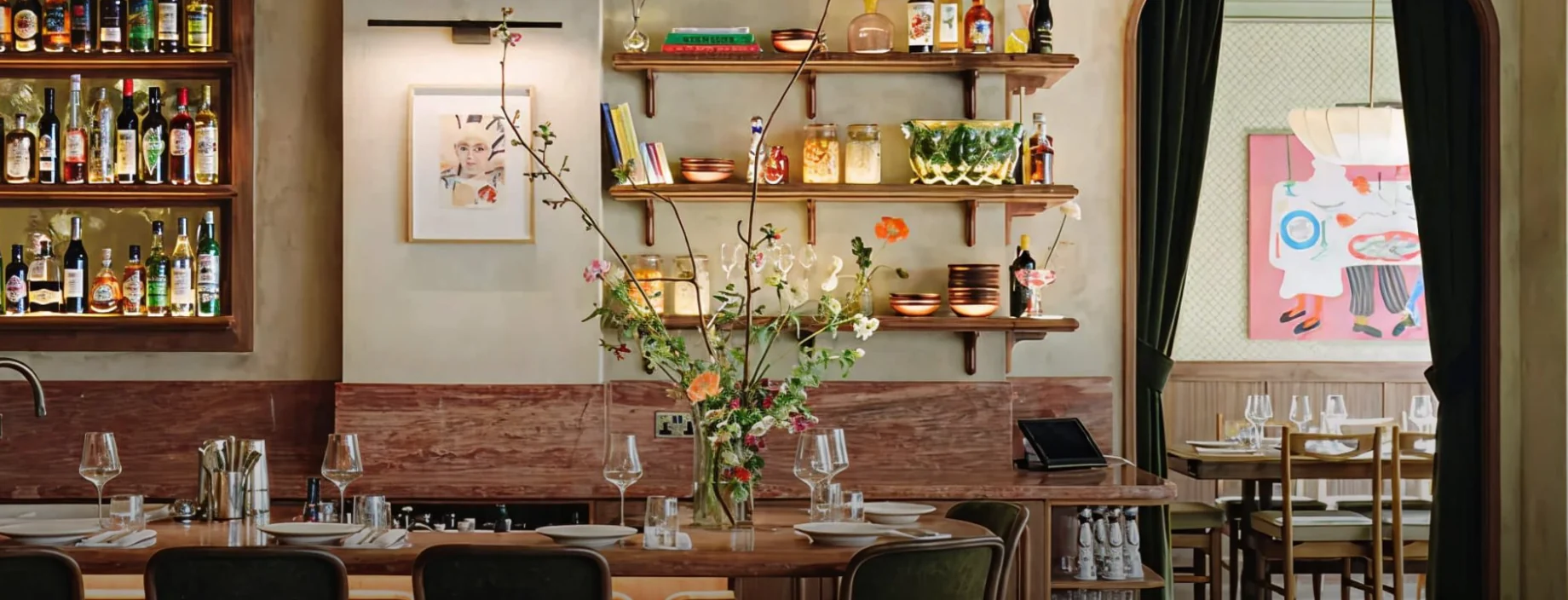
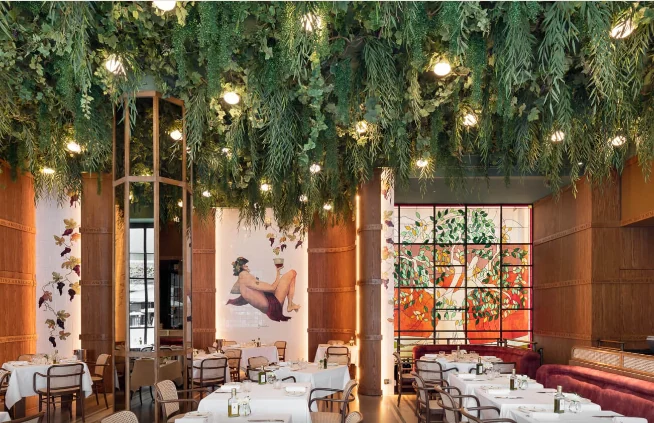
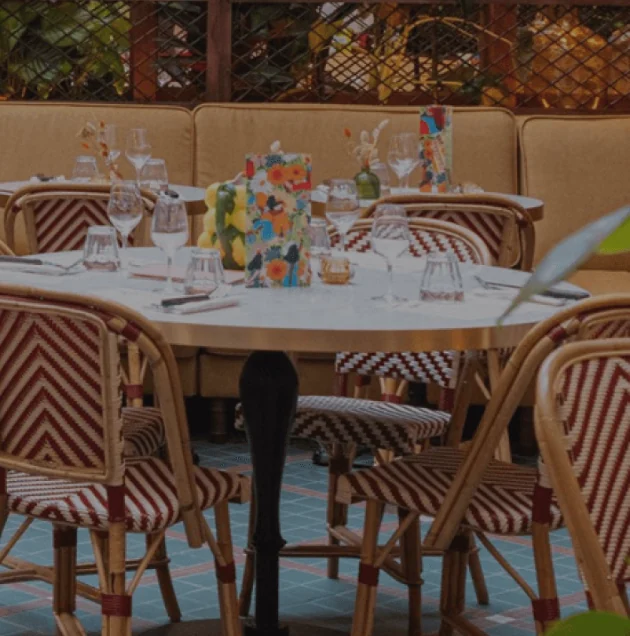
January to September 2026, compared with the same months of 2025. Photography by B3 Designers.
Plenty of traffic. Not many projects.
B3 Designers is a London studio that designs restaurants, bars and hotels. We took over their Google Ads in January 2026.
The account wasn’t short of traffic. Ads ran seven days a week, across most of the day, and the searches they matched included plenty that would never become a project. Between April and June 2025, it recorded no enquiries at all.
One restaurant or hotel project can be worth more than hundreds of casual visits. So the goal was never more clicks. It was more of the right people.
Plenty of searches look right. Most aren’t projects.
“Restaurant interior design” is typed by students, job hunters and people collecting ideas, as well as operators planning a new site. We went through the search terms line by line, excluded the wrong intent with negative keywords, and we keep doing it.
What’s left is smaller, and nearly all of it is someone with a project.
- restaurant interior designers londonKept
restaurant interior design ideasLooking for inspirationrestaurant interior design jobsLooking for a job- hotel interior design agencyKept
restaurant interior design courseStudyingsmall cafe interior design diyDoing it themselvesrestaurant floor plan softwareLooking for software- boutique hotel interior designerKept
restaurant interior design picturesLooking for pictureshotel interior designer salaryLooking for a jobrestaurant interior design dissertationStudying- restaurant design and fit out companyKept
Examples of the kinds of searches we kept and excluded.
Then we gave the ads office hours.
Before, ads ran seven days a week, across most of the day.
Friday, Saturday and Sunday came out.
Now they run Monday to Thursday, 9 to 5, when the people who commission restaurants and hotels are at work, so the budget is spent where it counts.
4 daysMonday to Thursday, 9 to 5
When ads can appearSwitched off
Four times the enquiries.
Enquiries each month, January 2025 to September 2026. Figures hidden; the bars are to scale.
No enquiries recorded, April to June 2025
Our first quarter: nearly double the best quarter of 2025
September: AI Max test
4×the enquiries of January to September 2025
70%lower cost per enquiry
2.9×the share of clicks that became an enquiry
All for 23% more spend.
Then enquiries got harder to win.
After a strong first quarter, enquiries slowed from April. The quick fix would have been to widen the targeting and buy back volume. We didn’t, because volume was never the problem.
Restaurant and hotel design is a large, discretionary purchase. Demand moves with things no ad account can see.
- Restaurant and hotel openings
- Refurbishment cycles
- Access to business finance
- Construction and fit-out costs
- Operator confidence
- Consumer spending
- The wider UK economy
Google Ads data can’t tell us which of these mattered, so we don’t pretend it can.
Even the harder months brought in three times the enquiries of the same months in 2025.
In September, we tested going broad.
We launched a campaign for B3’s restaurant website design service with broad targeting and Google’s AI Max switched on. AI Max went much further than we wanted, bidding on all kinds of keywords and showing the ads on all kinds of sites.
It found one good lead, a boutique hotel that wanted a new website. The rest was noise, so we switched AI Max off.
September, against a typical month this year
Typical month
What it says about how we run ads.
We’ll cut reach on purpose.
Fewer impressions is the right call when what’s left is people with real projects.
We read the search terms.
In a category full of students, job hunters and people looking for ideas, negative keywords do much of the work.
We don’t chase the dashboard.
When a quarter is hard, we look for the cause before we open the floodgates.
“You came in, quickly understood the problem, cut through the noise and focused on the things that would make the biggest difference. The results speak for themselves, but what I’ve really valued is how clearly he explains what needs doing and why.”
Straight from the account.
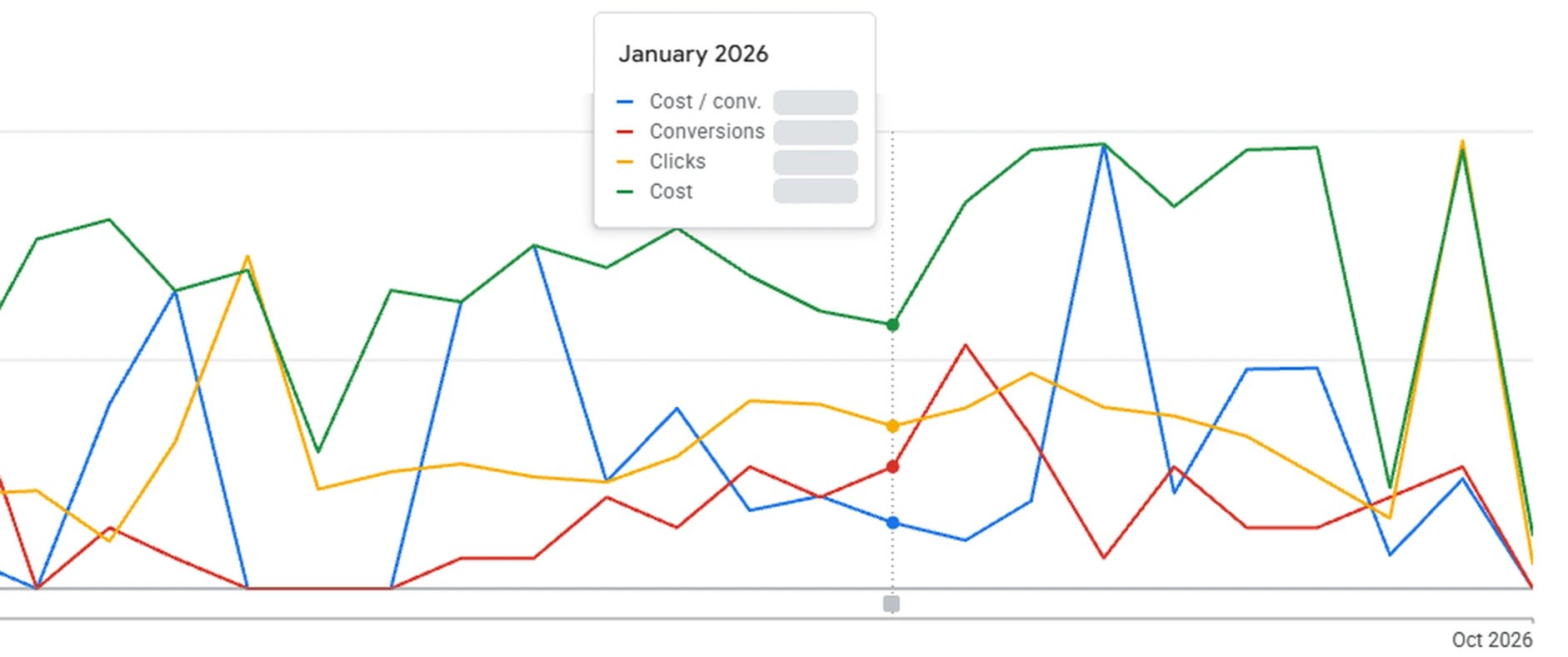
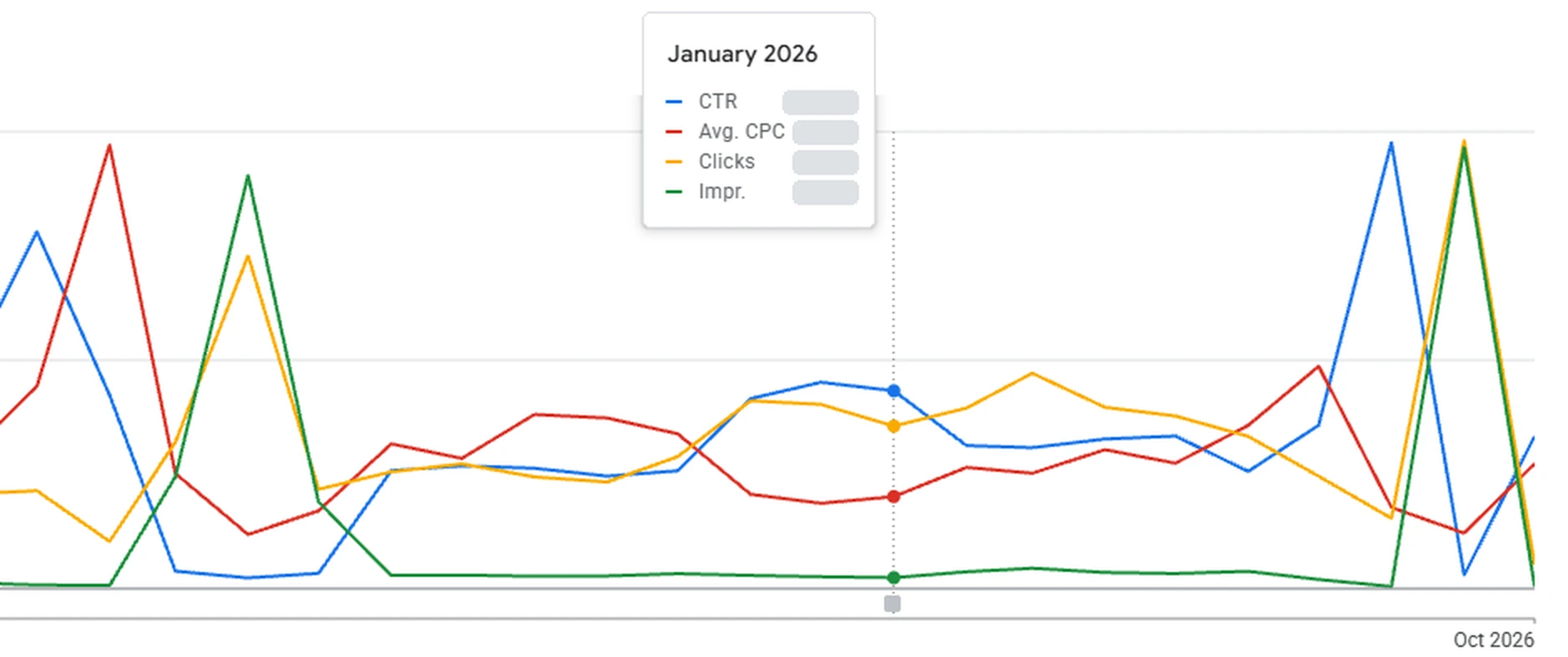
Screenshots from B3 Designers’ Google Ads account, January 2025 to October 2026, with the figures hidden. The dotted line marks January 2026, when we took over.
How we measured
Every comparison is January to September 2026 against January to September 2025. Until the end of 2024 the account counted clicks on the enquiry button as conversions, because the form couldn’t report a completed enquiry back to Google Ads, so we don’t compare with earlier years. October 2026 is left out because the month isn’t over.